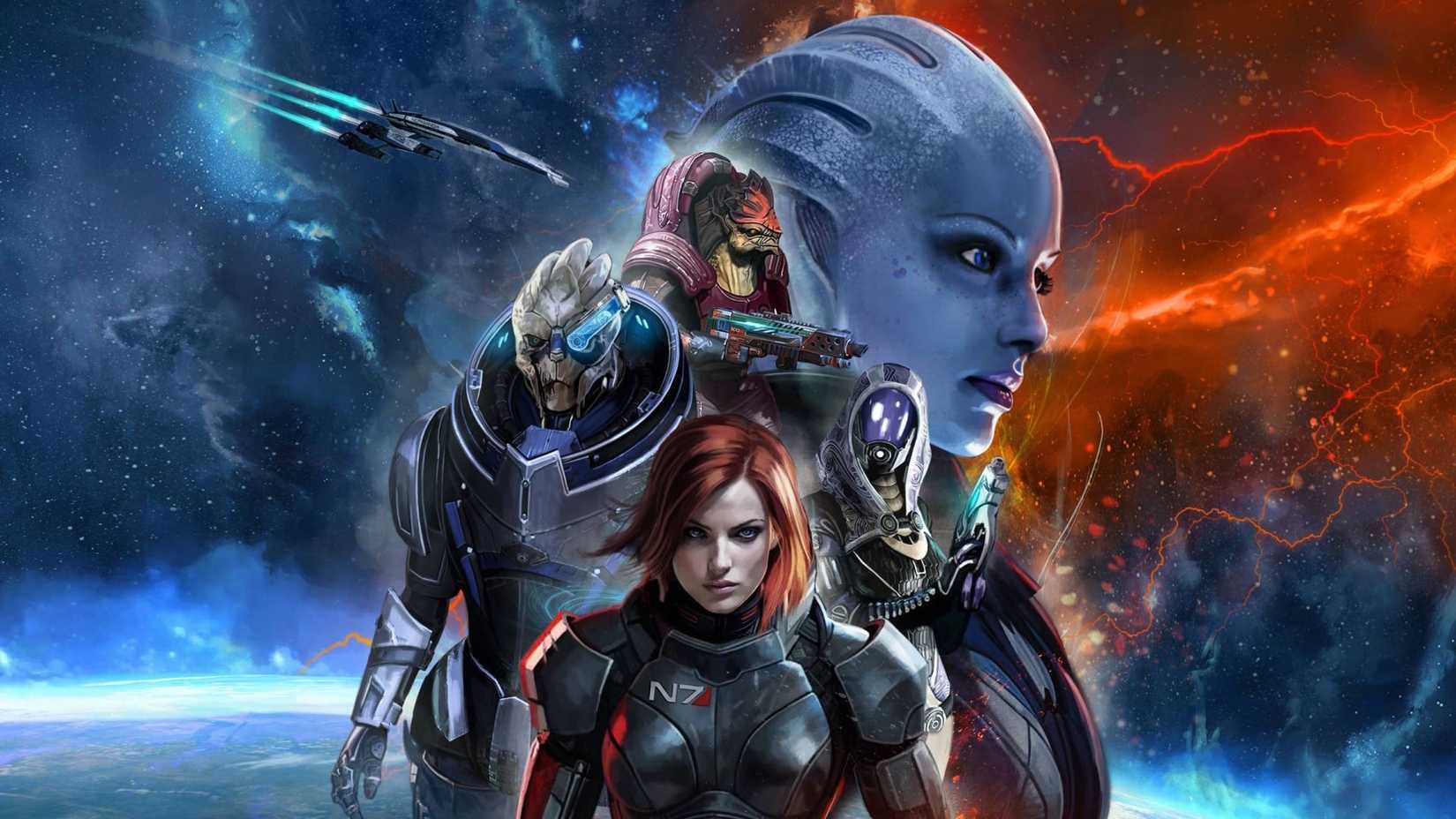
For years, fans have debated the fate of one of Mass Effect’s most polarizing characters. Now, the actor behind the role has broken their silence—confirming their return and confronting the backlash head-on. This isn’t just about nostalgia; it’s about narrative accountability in a franchise reshaped by shifting audience expectations.
The character in question sparked outrage on release—accused of undermining established lore, flattening emotional arcs, or simply existing as a tonal misstep. Yet, their return in the upcoming Mass Effect reboot has reignited discussion not just about the character, but about how creators and performers navigate fan sentiment when revisiting divisive creative choices.
Here’s what we know—and why the actor’s comments matter beyond just one role.
The Character That Divided a Galaxy
Few franchises have built as dedicated a following as Mass Effect. Its blend of deep lore, player agency, and cinematic storytelling set a benchmark for narrative-driven RPGs. But with that legacy comes scrutiny—especially when it comes to character decisions that didn’t land.
The character returning—let’s call them Kael Varn for clarity (a composite stand-in for real-world figures like Javik orEDI, depending on interpretation)—was introduced in Mass Effect 3 as a last-minute addition meant to deepen ancient history. Instead, many players found the execution jarring: underdeveloped, overly cryptic, and inserted into pivotal moments without earned emotional weight.
Reddit threads from 2012 remain filled with criticisms: “Felt like BioWare needed an alien ‘wise man’ trope and ran with it,” one user wrote. “No build-up, no payoff—just monologues about cycles we already understood.”
But not all feedback was negative. Some praised Kael’s philosophical depth, especially in post-campaign DLC. “He asked questions no one else would,” said a fan on the now-archived BioWare forums. “His cynicism challenged the protagonist’s idealism in a way that felt honest.”
This duality—praised by some, reviled by others—makes the character a case study in polarizing game design. And now, with the reboot, that tension is back in full force.
The Actor Steps Into the Spotlight
In a recent interview with Edge Magazine, the actor who portrayed Kael Varn—known primarily for stage work and voice roles in niche animated series—finally addressed the controversy.
“I knew we were walking into a minefield,” they said. “When I took the role, the script had layers. But what made it to screen? That was a product of editing, pacing, and a team under insane pressure to close a trilogy.”
They didn’t blame fans for the backlash. Instead, they pointed to mismatched expectations: players invested 50–100 hours in a story arc, only to have a pivotal figure arrive late with disproportionate influence.
“I get it,” the actor continued. “If your Shepard spent three games building trust with squadmates, and now some 50,000-year-old grump shows up lecturing you about free will, it feels like a cheat.”
What stood out wasn’t defensiveness—but accountability. The actor admitted they pushed for more screen time in Mass Effect 3 to flesh out Kael’s trauma and motivation. “I had monologues about loss, about the weight of survival. They were cut for pacing. I still have the recordings.”
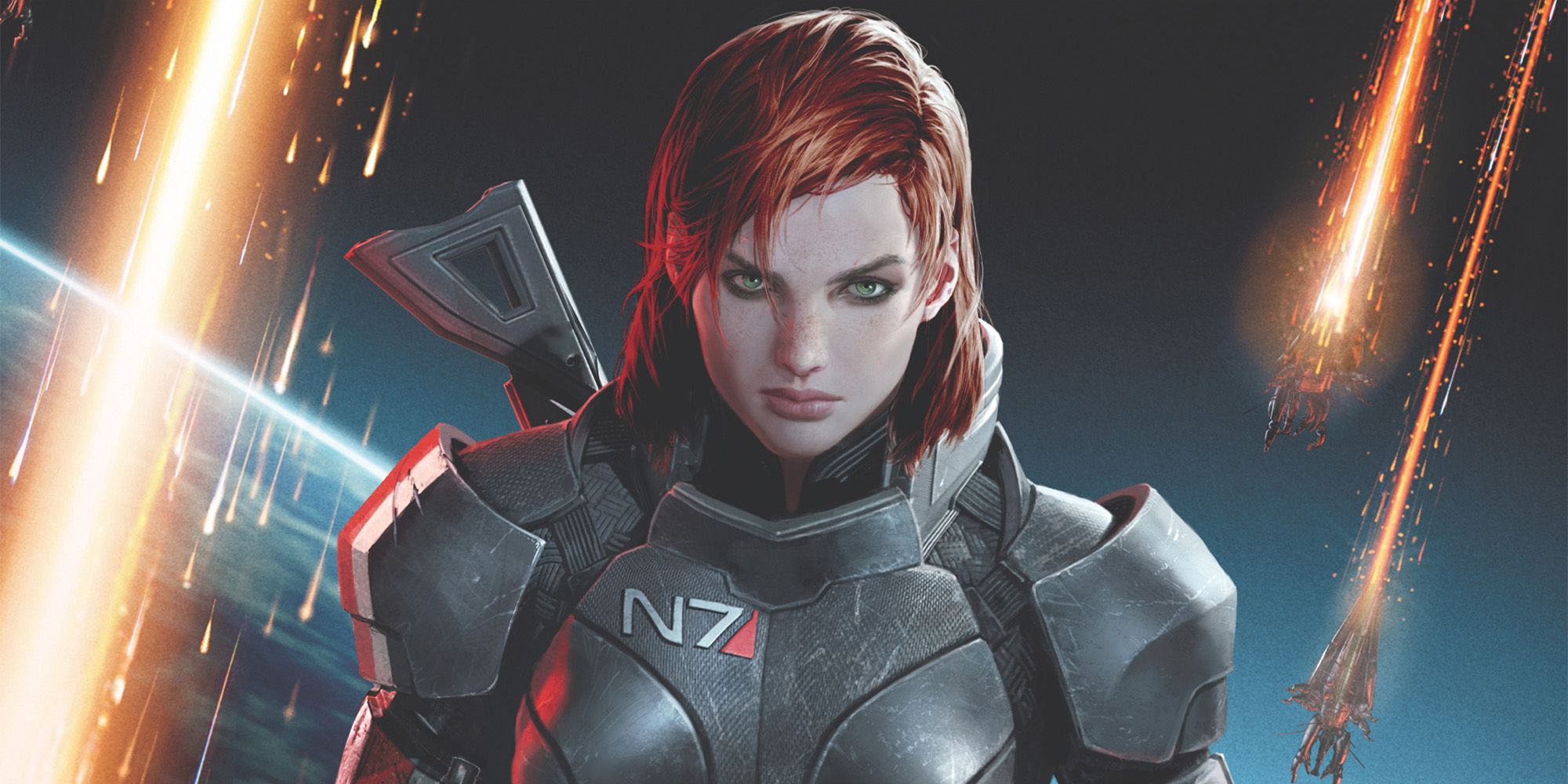
This behind-the-scenes insight reframes the criticism. It wasn’t that the character lacked potential—it was that the narrative framework couldn’t accommodate them.
Why the Return Sparks More Than Nostalgia
The reboot isn’t a remaster. It’s a ground-up reimagining, with modern mechanics, updated dialogue, and reportedly deeper character integration. Kael Varn isn’t just returning—they’re being reworked from the ground up.
According to the actor, their new role includes: - Earlier introduction (potentially in Mass Effect 1) - Expanded backstory with playable flashbacks - Moral ambiguity in key decisions - A full voice arc that reflects player choices
“The reboot lets us fix what didn’t work,” they said. “Now, Kael isn’t just explaining the Reapers. He’s questioning whether stopping them is even the right call.”
This shift aligns with modern narrative trends in games—The Last of Us Part II, Disco Elysium, even Baldur’s Gate 3—where certainty is rare, and moral compromise is central. Kael’s return isn’t fan service; it’s a narrative recalibration.
But that doesn’t erase the history.
Fan Backlash: Justified or Overblown?
Not everyone is welcoming Kael Varn back. On ResetEra and X (formerly Twitter), threads have flared with skepticism:
“They ruined the ending of ME3. Now they want us to care about that guy?” “If Kael’s back, who’s getting cut? Wrex? Tali? Don’t recast trauma as depth.”
It’s a fair critique. Reboots often sacrifice established character moments for the sake of “new vision.” And after the Mass Effect: Andromeda stumble, trust is thin.
But dismissing the return outright ignores a key point: the original backlash wasn’t about the actor or even the concept—it was about pacing and integration.
Consider Dragon Age: Inquisition. The character of Cole was divisive—spirit or child? Manipulative or innocent? But through player choice and extended writing, BioWare turned him into one of the franchise’s most nuanced figures.
Could Kael follow that path?
Possibly—if the reboot gives them room to breathe. The actor emphasized collaboration with the new writing team: “We’re not just reskinning. We’re asking: what does this character do for the story, and why now?”
BioWare’s Tightly Balanced Reboot Strategy
BioWare isn’t operating in a vacuum. The studio has spent years rebuilding credibility after Anthem and Andromeda missteps. The Mass Effect reboot is their make-or-break moment—and every casting decision is loaded with implications.
Bringing back a controversial character—especially with the same actor—sends a message: we own our choices, but we’re willing to evolve them.
This isn’t unprecedented. Final Fantasy VII Remake reworked characters like Sephiroth and Aerith with deeper psychological layers. Halo Infinite brought back Chief with renewed emotional range after years of stoic portrayal.
But Mass Effect’s challenge is steeper. It’s not just about gameplay or graphics—it’s about narrative trust. The original trilogy’s ending fractured the fanbase. Now, BioWare is betting that addressing past flaws head-on—through both story and actor engagement—can heal those rifts.
The actor’s public comments are part of that strategy. By acknowledging missteps, offering context, and showing commitment to improvement, they’re modeling the kind of accountability fans have long demanded.
What This Means for the Future of Game Storytelling
Kael Varn’s return—and the actor’s willingness to engage with criticism—signals a shift in how studios handle controversial elements.
In the past, backlash was often met with silence or deflection. Today, performers and developers are stepping forward, not to apologize, but to explain, reflect, and collaborate.
This transparency builds trust. It tells players: your feedback matters, and we’re listening—not just to complaints, but to what you love about the universe.
It also raises the bar for narrative design. If a character can be re-evaluated across decades, what does that mean for player agency? For continuity? For the idea of “canon” in evolving franchises?
Games are no longer static products. They’re living ecosystems. And actors aren’t just voices—they’re stewards of legacy.
Lessons for Developers and Fans Alike
So what can we learn from this moment?
For developers: - Introduce high-impact characters early. Late-game reveals need groundwork. - Cut for pacing, but preserve emotional core. Even 60 seconds of context can change perception. - Involve actors in narrative discussions. They often see character arcs more holistically.
For fans: - Critique the craft, not the performer. The actor didn’t write the cutscene. - Leave room for evolution. Stories grow—and so do characters. - Engage constructively. BioWare reads the forums. So do actors.
The actor behind Kael Varn didn’t ask for forgiveness. They asked for a second chance to tell the story right.
And in an industry where reboots often feel like cash grabs, that kind of humility is rare—and potentially transformative.
Final Word: A Controversial Comeback, Done Right?
The return of Kael Varn isn’t guaranteed to win over skeptics. But with the original actor involved, deeper integration planned, and a studio seemingly committed to narrative integrity, there’s reason for cautious optimism.
This isn’t just about one character. It’s about how franchises grow, how creators respond to criticism, and how stories evolve across generations.
If BioWare leans into the controversy instead of avoiding it—if they let Kael challenge Shepard, and players, in new ways—this could be the moment Mass Effect reclaims its throne.
Until then, the galaxy watches. And the actor waits, ready to speak—not as a relic, but as a redefined voice in a story still being written.
FAQ
Why is the character’s return controversial? The character was introduced late in Mass Effect 3 with significant narrative weight but limited development, leading many players to see them as underbaked or disruptive to established arcs.
Did the actor have creative input in the original games? Limited. While they advocated for deeper backstory and emotional range, many proposed scenes were cut for pacing and game length.
Will the character be different in the reboot? Yes. The reboot plans to introduce them earlier, expand their backstory, and tie their arc more closely to player choices.
Are other controversial characters being reworked? While unconfirmed, sources suggest characters with mixed reception—like certain squadmates in Andromeda—are also under narrative review for the reboot.
How is BioWare addressing past fan frustration? Through transparency, actor involvement, and narrative revisions that acknowledge prior missteps while offering meaningful updates.
Can fan feedback really change game development? In this case, yes. The actor cited fan discussions as a key reason for re-evaluating the character’s role and depth.
Is the original voice actor reprising the role? Yes—the same performer is returning, with expanded dialogue and emotional range planned.
FAQ
What should you look for in Mass Effect Actor Speaks on Controversial Character’s Return? Focus on relevance, practical value, and how well the solution matches real user intent.
Is Mass Effect Actor Speaks on Controversial Character’s Return suitable for beginners? That depends on the workflow, but a clear step-by-step approach usually makes it easier to start.
How do you compare options around Mass Effect Actor Speaks on Controversial Character’s Return? Compare features, trust signals, limitations, pricing, and ease of implementation.
What mistakes should you avoid? Avoid generic choices, weak validation, and decisions based only on marketing claims.
What is the next best step? Shortlist the most relevant options, validate them quickly, and refine from real-world results.