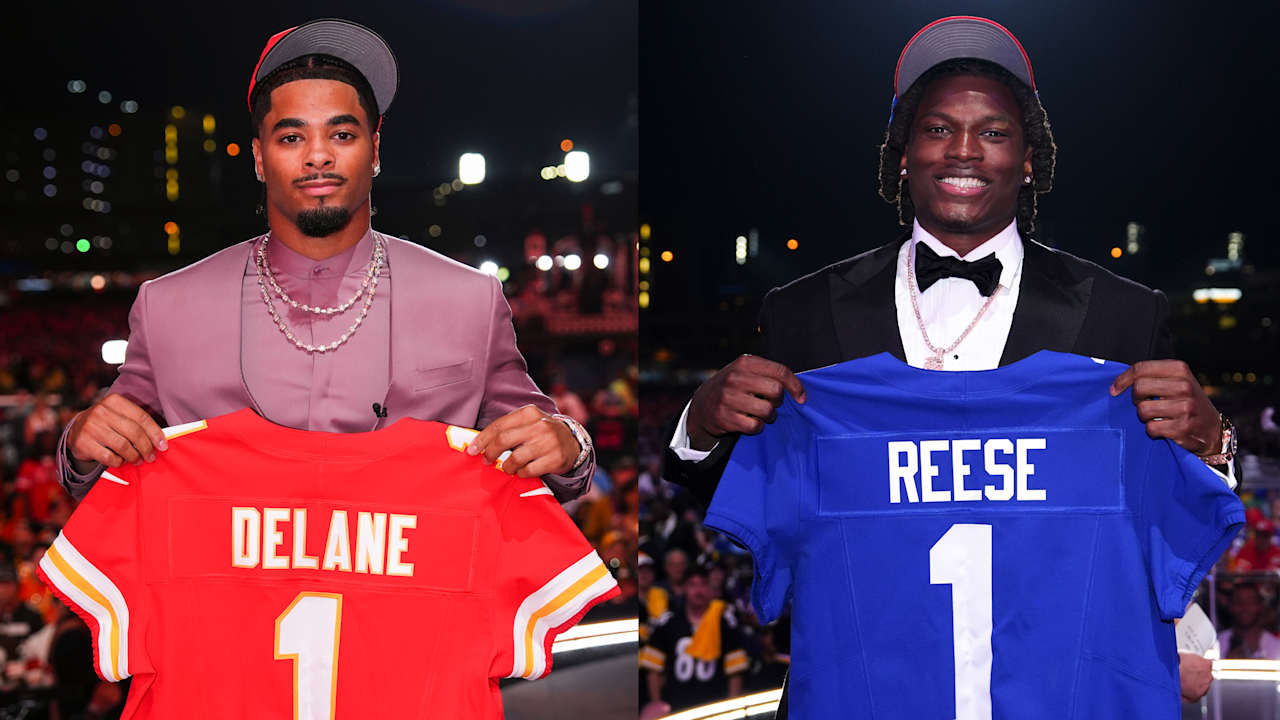
The Kansas City Chiefs aren’t just defending champions—they’re evolving. After the 2026 NFL Draft, their ascent in league-wide power rankings isn’t just a reflection of past glory but evidence of a franchise still sharpening its edge. With strategic draft capital allocation and a clear vision for life beyond Patrick Mahomes’ prime, the Chiefs have sent a message: their window isn’t closing, it’s expanding. Meanwhile, the San Francisco 49ers continue to flirt with diminishing returns, repeatedly reaching on prospects despite a roster already thinned by injuries and aging contributors.
This divergence in draft philosophy is reshaping the NFL’s competitive hierarchy.
Why the Chiefs’ 2026 Draft Was a Masterstroke
The Chiefs entered the 2026 draft with limited picks—only five total—but maximized every selection with precision. At No. 29 in the first round, they selected Georgia edge rusher DeShawn Atkinson, a high-floor athlete with elite bend and proven SEC production. While not a headline-grabbing name, Atkinson filled a glaring need opposite George Karlaftis. His immediate role: boost a pass rush that finished 22nd in pressure rate in 2025.
In Round 3, they traded up to secure Alabama safety Kaden Jones, a rangy, downhill enforcer who improves their back-end discipline against tight end-heavy offenses. That move, costing only a fifth-rounder, became a microcosm of their draft approach: small, calculated risks with defined positional ROI.
Their fourth-round selection—Texas A&M cornerback Jaylen Carter—was even more telling. At 6'1", 195 lbs, Carter offers the size and mirroring ability to handle No. 1 receivers in a post-L’Jarius Sneed era. Paired with undrafted but promising rookie linebacker Devin Moore from Cincinnati, the Chiefs addressed future gaps without mortgaging their present.
“They didn’t swing for the fences. They fixed what was breakable. That’s how dynasties extend.” — NFL analyst Marc DelRio
The result? A draft class rated top-five by Pro Football Focus, with three immediate contributors projected for Year 1 roles.
49ers Repeat Draft Pattern: Talent or Tendency to Reach?
Conversely, the 49ers walked away from the 2026 draft with talent—but at what cost?
With the No. 12 overall pick, they selected Oregon quarterback Jayden Stevenson, a mobile dual-threat with limited pocket experience. The pick raised eyebrows: San Francisco already employs Brock Purdy, who’s averaged 7.2 yards per attempt over the last two seasons and led the league in adjusted completion rate in 2025. Stevenson doesn’t add positional scarcity—he complicates a locker room.
Then came the second-round choice: Florida wide receiver Terrance Brooks at No. 48. While talented, Brooks was widely projected as a third-day pick due to injury concerns and inconsistent route running. Yet the 49ers traded up from No. 60, surrendering a 2027 third-rounder to secure him. A pattern emerged.
This isn’t new. Since 2020, San Francisco has traded up in the draft nine times—more than any team. Their philosophy leans on “stealing” players they believe are undervalued. But in 2026, it backfired. Brooks is unlikely to start, and Stevenson may not even make the 53-man roster.
A History of Reaching: 49ers’ Draft Moves Since 2020
| Year | Pick | Player | Position | Projection | Actual Role |
|---|---|---|---|---|---|
| 2020 | 13 | Javon Kinlaw | DT | Late 1st | Limited snaps due to injuries |
| 2021 | 14 | Trey Hill-Briscoe | WR | 3rd-4th | Waived in 2023 |
| 2022 | 3 | Trey Lance | QB | Early 1st | Traded after 2 seasons |
| 2024 | 42 | Deuce Washington | RB | 4th-5th | Injured reserve, 2025 |
| 2026 | 48 | Terrance Brooks | WR | 3rd-5th | Depth, limited impact |
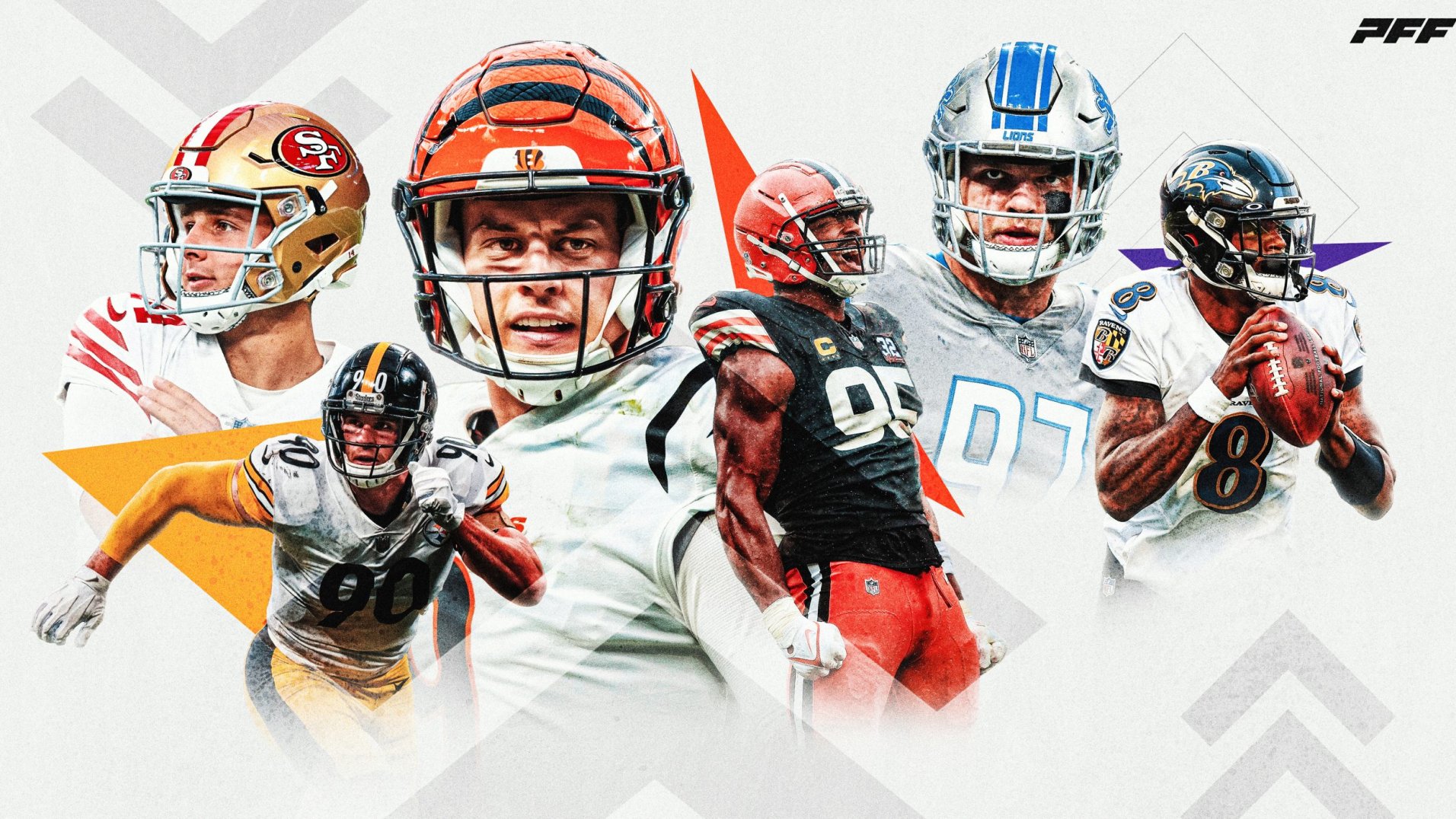
The trend is clear: reach for upside, gamble on projection, underdeliver on return. In a division with the Seahawks’ depth and the Rams’ cap flexibility, San Francisco’s inefficient draft spending may finally catch up.
Power Rankings Shift: Chiefs Gain, 49ers Stall
Post-draft power rankings tell the story.
The Chiefs rose from No. 6 to No. 2 in ESPN’s updated rankings, behind only the Buffalo Bills, who retained Josh Allen and added a dominant left tackle in the first round. Analysts cited Kansas City’s “cooler head” in the war room as a differentiator.
The 49ers, despite a strong core and coaching stability, dropped from No. 4 to No. 8. The downgrade wasn’t due to roster weakness but future risk: an aging offensive line, thin linebacker depth, and a draft that added uncertainty, not answers.
Post-Draft NFL Power Rankings Snapshot
| Rank | Team | Reason for Movement |
|---|---|---|
| 1 | Buffalo Bills | Elite QB, improved O-line, balanced draft |
| 2 | Kansas City Chiefs | Efficient needs-based picks, veteran leadership |
| 3 | Philadelphia Eagles | Loaded secondary, strong WR depth |
| 4 | Dallas Cowboys | Pass rush overhaul, solid rookie CB |
| 5 | Baltimore Ravens | Lamar Jackson extension, defensive youth |
| 6 | Cincinnati Bengals | Healthy Joe Burrow, improved line |
| 7 | Los Angeles Rams | Smart value picks, cap space |
| 8 | San Francisco 49ers | Questionable reach picks, injury-prone roster |
| 9 | Miami Dolphins | Tua gamble continues, defense regressing |
| 10 | Detroit Lions | Offensive slowdown, draft lacked impact |
The Chiefs didn’t just add talent—they added clarity. The 49ers added noise.
Behind the Boards: Front Office Philosophies at Odds
The contrast reflects deeper cultural differences.
Kansas City’s draft room operates under a “value with vision” model. GM Brett Veach and Andy Reid prioritize fit over flash. They rarely trade up. Since 2018, they’ve moved up in the draft just twice. Their success lies in player development: Travis Kelce (third round), Creed Humphrey (second), and Trent McDuffie (first, but a “safe” selection) all became cornerstones.
San Francisco, led by John Lynch and Kyle Shanahan, plays a different game. Their strategy hinges on identifying athletic outliers—players with rare measurables who may lack polish. It works occasionally (George Kittle, Deebo Samuel) but fails more often than not (Javon Kinlaw, Trey Lance, Noah Sewell).
In 2026, that model showed cracks. The 49ers left the draft without a single linebacker or interior offensive lineman—two positions critical to Shanahan’s scheme and already flagged as vulnerabilities.
They bet on upside. The Chiefs bet on execution. So far, execution is winning.
Roster Impact: How Drafts Shape the 2026 Season
Real talk: the 2026 season will hinge on health and depth.
For the Chiefs, the addition of Atkinson and Jones allows them to rotate more aggressively. Their pass rush no longer depends solely on Karlaftis and Frank Clark. In coverage, Jones and Carter give defensive coordinator Steve Spagnuolo more flexibility against mobile QBs like Jalen Hurts and Josh Allen.
More importantly, the Chiefs avoided a costly rookie contract at QB or WR—areas where they already have elite production. No need to force a fit.
The 49ers, though, now carry three quarterbacks on significant rookie deals: Purdy, Stevenson, and 2024 third-rounder Spencer Rattler (still on rookie contract). That’s $16M+ tied up at a single position—not ideal when the offensive line needs reinforcement.
Their wide receiver room is now crowded: Deebo Samuel, Brandon Aiyuk, Puka Nacua, and now Terrance Brooks. But who blocks? Who stays healthy? Aiyuk’s contract drama lingers, and Samuel has missed 23 games since 2022.
Depth on paper doesn’t equal durability in reality. The Chiefs built for the latter. The 49ers bet on the former.
Why Draft Strategy Defines Long-Term Success
This isn’t just about one draft. It’s about trajectory.
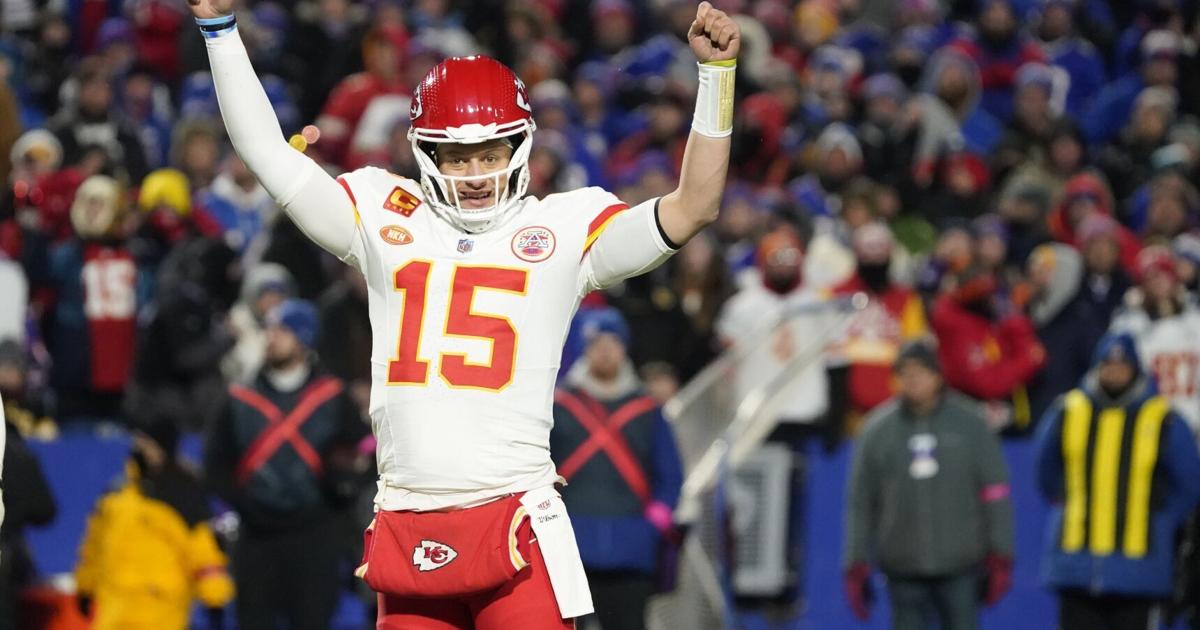
The Chiefs’ ability to remain elite despite losing Tyreek Hill, Travis Kelce’s aging curve, and Mahomes’ declining deep-ball accuracy (down to 6.8 air yards per attempt in 2025) speaks to their draft and free agency discipline.
They don’t reach. They replenish.
San Francisco, meanwhile, is repeating a dangerous cycle: draft for hope, hope for health, and hope it’s enough. But hope isn’t a roster strategy.
Consider this: since 2020, the Chiefs have had 11 draft picks become Day 1 starters. The 49ers? Only six. And of those six, three—Lance, Kinlaw, Sewell—have failed to meet expectations.
Dynasties aren’t built on reach picks. They’re built on reliable, repeatable processes. Kansas City has one. San Francisco is still searching.
The Bottom Line: Chiefs Are Rising. 49ers Are Reaching.
The 2026 NFL Draft didn’t crown a champion, but it revealed who’s building smarter.
The Chiefs climbed in power rankings not because they made splashy moves, but because they solved problems without creating new ones. Their draft was surgical, needs-based, and development-friendly.
The 49ers, by contrast, continue chasing upside at the expense of balance. Reaching on picks may feel bold in the moment, but when those players don’t pan out—and history says many won’t—it stalls momentum.
For fans, the message is clear: value beats vanity. Fit beats flash. And in the long game of NFL success, the Chiefs are playing chess while others gamble on checkers.
Stay grounded. Draft smart. Build for tomorrow—without wrecking today.
FAQs
Why did the Chiefs rise in power rankings after the 2026 draft? The Chiefs made efficient, needs-based selections that addressed pass rush and secondary depth without overpaying or overreaching, reinforcing their status as a well-balanced contender.
Did the 49ers make any good picks in 2026? Their third-round selection of safety Darius Cole was well-regarded as a value pick, but their bigger moves—QB Jayden Stevenson and WR Terrance Brooks—were seen as reaches.
Are the Chiefs preparing for life after Patrick Mahomes? Not immediately, but their draft strategy reflects long-term planning. They avoided spending high capital on a QB, instead investing in defense and supporting pieces.
Why do the 49ers keep trading up in the draft? Their front office believes they have superior evaluation metrics and can identify undervalued athletes. However, this approach has resulted in inconsistent returns.
Could the 49ers’ 2026 draft class still succeed? Yes, but the odds are against them. History shows that reach picks, especially at non-need positions, underperform. Development will be key.
How important are draft picks in NFL power rankings? Very. While free agency grabs attention, the draft is the primary engine for sustainable success. Teams that consistently hit on picks maintain higher rankings.
Who had the better 2026 draft overall: Chiefs or 49ers? The Chiefs. They added impact players at key positions without sacrificing future flexibility. The 49ers used premium capital on low-upside gambles.
FAQ
What should you look for in Chiefs Climb NFL Power Rankings After Draft Surge? Focus on relevance, practical value, and how well the solution matches real user intent.
Is Chiefs Climb NFL Power Rankings
After Draft Surge suitable for beginners? That depends on the workflow, but a clear step-by-step approach usually makes it easier to start.
How do you compare options around Chiefs Climb NFL Power Rankings After Draft Surge? Compare features, trust signals, limitations, pricing, and ease of implementation.
What mistakes should you avoid? Avoid generic choices, weak validation, and decisions based only on marketing claims.
What is the next best step? Shortlist the most relevant options, validate them quickly, and refine from real-world results.