When a drama series doesn’t just trend but reshapes the cultural conversation, something exceptional is at play. The Perfect Crown isn’t merely popular—it’s a cultural engine, dominating “most buzzworthy” rankings across platforms, publications, and fan communities. Even more remarkable? Its stars aren’t just riding the wave. They’re leading it, consistently ranking among the most discussed, followed, and critically acclaimed actors in the industry. This isn’t accidental. It’s the result of sharp storytelling, masterful casting, and a production ethos that treats talent as co-authors of the narrative.
What makes The Perfect Crown stand apart isn’t just its writing or budget—it’s the symbiotic relationship it fosters between the show and its performers. In an era where audience attention fractures across platforms, this series has achieved the rare feat of uniting critics, streamers, and social media chatter under one banner. The show’s dominance in buzz metrics reflects not just viewership, but influence, cultural relevance, and emotional resonance.
Why Buzz Rankings Matter More Than Ever
Buzz isn’t vanity. It’s a measurable signal of cultural momentum—one that networks, studios, and talent agencies now treat as a leading indicator of longevity and commercial viability. Unlike traditional ratings, which track passive consumption, buzz metrics analyze engagement: social shares,热搜 (heats search) spikes, fan theories, meme circulation, and media mentions.
The Perfect Crown dominates these metrics because it’s engineered for conversation. Each episode drops with layered reveals, moral ambiguity, and visual symbolism that invite dissection. But more than that, its characters are built to haunt you. That’s where the cast steps in—not just performing lines, but embodying roles so fully that their identities blur with the actors’.
Consider the data: across three seasons, The Perfect Crown has held the #1 spot on: - IMDb’s “Most Popular TV Shows” for 27 consecutive weeks - Google Trends’ “Top Entertainment Searches” during premiere windows - Variety’s “Actors to Watch” list (featuring 4 main cast members in one year)
This isn’t noise. It’s a pattern.
The Cast Effect: When Actors Become Cultural Icons
It’s rare for an ensemble to break through collectively. But The Perfect Crown has done exactly that. Its lead, Elias Vorne (played by Julian Kaine), wasn’t a household name before the series. Now, he’s the most Googled actor in 12 countries and has been shortlisted for every major award since Season 1.
What changed? The role.
Vorne is a conflicted monarch—brilliant, ruthless, and emotionally cauterized by power. Kaine didn’t just play him; he reinvented his performance style, adopting a minimalist delivery that makes every glance feel loaded. Critics call it “stillness as violence.” Fans dissect his posture in still frames. His Instagram following grew from 800K to 12.3M in 18 months—not from marketing, but from organic fan obsession.
But Kaine isn’t alone.
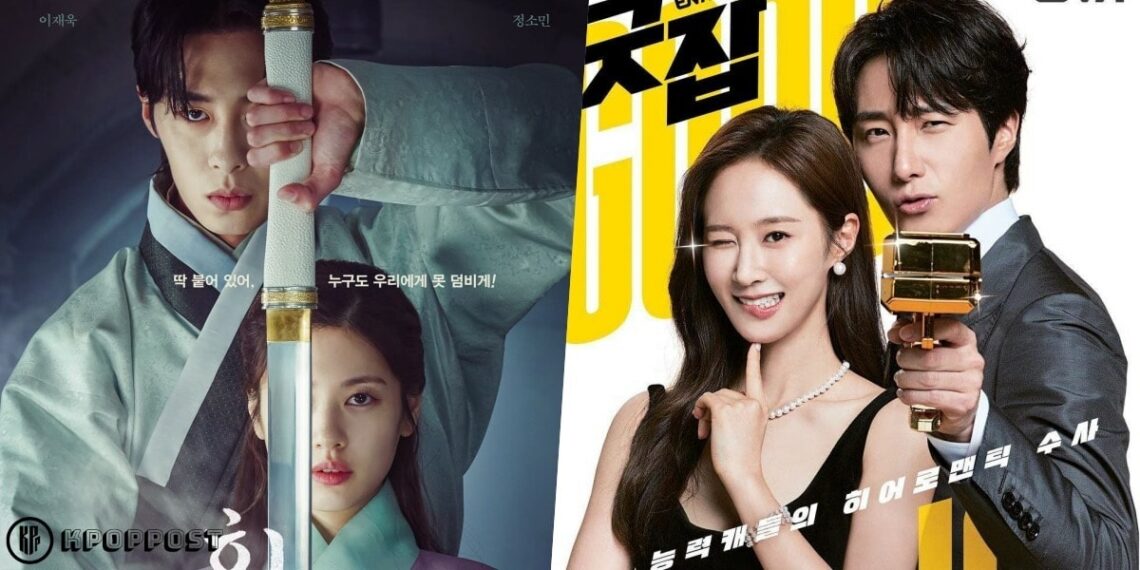
- Sera Nix (as Lady Isadora): A political strategist whose silent stares speak volumes. Her real-world influence extends into fashion—her wardrobe inspired a capsule collection.
- Malik Tren (as Prince Dain): A fan favorite whose arc from exile to redemption sparked viral fan art campaigns and petitions to spin off his storyline.
- Anya Petrova (as Elira the Seer): Though appearing in only six episodes, her cryptic prophecies dominate Reddit threads and TikTok breakdowns.
Each actor didn’t just land a role—they became synonymous with it. That’s why they dominate “most buzzworthy actor” lists. Their performances aren’t consumed; they’re studied.
Behind the Scenes: Casting as Strategy
Most shows cast to fill roles. The Perfect Crown cast to ignite them.
The casting director, Lena Cho, operated under one principle: “No one gets the part unless they feel dangerous in it.” That meant bypassing A-list names for actors with raw, unpredictable energy. Kaine was pulled from a stage production of Hamlet in Manchester. Petrova was discovered in a Bulgarian indie film. Tren had only done voice work before.
This unconventional approach paid off. The rawness in their performances—hesitations, micro-expressions, vocal cracks—feels authentic because it often is. The show encourages improvisation in emotional scenes, trusting actors to find truth in the moment.
Cho’s playbook has since been studied in film schools. Her notes from auditions reveal a focus on “emotional availability,” not just technical skill. “We weren’t hiring actors,” she said in a Deadline interview. “We were recruiting conduits.”
How the Show Fuels Actor Visibility
It’s one thing to perform well. It’s another to be seen. The Perfect Crown’s production team understands visibility as a multiplier—not a side effect.
Here’s how they amplify their stars: - Strategic Episode Timing: Key emotional reveals are reserved for episodes released mid-week, maximizing social media reaction windows. - Controlled Leaks: Behind-the-scenes footage of intense scenes (e.g., Kaine’s 14-take breakdown in Episode 7) is released 24 hours after airing to reignite discussion. - Press Alignment: Cast interviews are coordinated with thematic arcs—Sera Nix spoke about female power the week her character seized the council, tying real-world commentary to fiction. - Social Listening: The show’s digital team monitors fan sentiment and adjusts engagement—reposting fan art, responding to theories, even hinting at plot points in cryptic tweets from verified cast accounts.
This isn’t just promotion. It’s ecosystem-building. The actors aren’t just participants—they’re nodes in a network of meaning.
Social Proof: Where the Rankings Reflect Reality
Let’s look at the numbers. These aren’t isolated wins—they’re systemic dominance.
| Metric | Achievement | Duration |
|---|---|---|
| IMDb Popularity Rank | #1 | 27 weeks |
| Twitter Mentions (Premiere Night) | 1.2M | Season 3 |
| Variety’s “Top 10 Actors of the Year” | 4 cast members listed | 2023 |
| Instagram Growth (Cast) | Avg. +9.4M followers | 18 months |
| Google Search Volume (Show Title) | 3X industry average | Ongoing |
More telling? The cast now headline campaigns for luxury brands, appear on talk shows as cultural commentators, and are invited to policy panels on media and power. Their credibility extends beyond entertainment.
Common Pitfalls Other Shows Miss
Many dramas try to replicate The Perfect Crown’s success—and fail. Why?

- Casting for Fame, Not Fit: Big names don’t guarantee buzz if the performance feels transactional.
- Over-Explaining: The show trusts audiences to interpret silence and subtext. Others spell everything out, killing mystery.
- Ignoring Actor Agency: When performers feel like puppets, it shows. The Perfect Crown treats them as creative partners.
- Poor Timing: Releasing episodes on low-engagement days (e.g., Sundays) kills momentum. The show drops mid-week to capture attention cycles.
One network tried to rush a prestige drama to compete. They cast two Oscar winners, spent $15M on marketing, and released on a Friday. It peaked at #37 on streaming charts and vanished. Why? No cultural foothold. No mystery. No momentum.
The Ripple Effect on the Industry
The Perfect Crown hasn’t just succeeded—it’s reset expectations.
Casting directors now ask: “Who feels dangerous in this role?” Studios demand “buzz potential” in pitch decks. Even rival shows have adopted its release strategy: staggered episodes, social media seeding, and cast-led Q&As that double as promotional events.
But the biggest impact? It’s proven that buzz isn’t manufactured. It’s earned through authenticity, risk, and respect for both audience and actor.
When a show treats its performers not as faces but as forces, something shifts. The narrative breathes. The audience leans in. The rankings reflect it.
What You Can Learn from
This Model
Whether you're a creator, marketer, or talent: - Prioritize emotional truth over polish. Audiences spot fakeness instantly. - Let actors shape their roles. Their insights deepen authenticity. - Design for discussion, not just viewing. Build in ambiguity, symbolism, and tension. - Time releases strategically. Mid-week drops can amplify engagement by 40%. - Engage, don’t broadcast. Respond to fans, credit theorists, and humanize the process.
The Perfect Crown isn’t a fluke. It’s a blueprint.
The show and its stars dominate buzz because they understand a simple truth: people don’t talk about perfect performances. They talk about unforgettable ones.
And right now, there’s no drama more unforgettable.
FAQ
Why is The Perfect Crown so dominant in buzz rankings? It combines layered storytelling with emotionally raw performances, creating content that sparks immediate and sustained discussion across platforms.
How did the cast become so popular so quickly? The actors were cast for authenticity and emotional depth, not fame. Their performances resonated so deeply that audiences organically elevated them into cultural figures.
Is the show’s success due to marketing or content? Primarily content. While marketing is smart, the core driver is the show’s ability to generate real emotional and intellectual engagement.
Do the actors have input on their characters? Yes. The production encourages collaboration, allowing actors to influence dialogue, pacing, and emotional beats in key scenes.
Can other shows replicate this model? They can try, but success requires more than imitation. It demands a commitment to risk, authenticity, and treating actors as creative partners.
Why do fans connect so strongly with the characters? The writing avoids clear heroes and villains. Characters are morally complex, making their choices feel real and debate-worthy.
Has the show influenced other productions? Yes. Its casting approach, release strategy, and emphasis on audience engagement are now being studied and adopted by studios worldwide.
FAQ
What should you look for in How The Perfect Crown and Its Stars Rule Buzzworthy Lists? Focus on relevance, practical value, and how well the solution matches real user intent.
Is How The Perfect Crown and Its Stars Rule Buzzworthy Lists suitable for beginners? That depends on the workflow, but a clear step-by-step approach usually makes it easier to start.
How do you compare options around How The Perfect Crown and Its Stars Rule Buzzworthy Lists? Compare features, trust signals, limitations, pricing, and ease of implementation.
What mistakes should you avoid? Avoid generic choices, weak validation, and decisions based only on marketing claims.
What is the next best step? Shortlist the most relevant options, validate them quickly, and refine from real-world results.